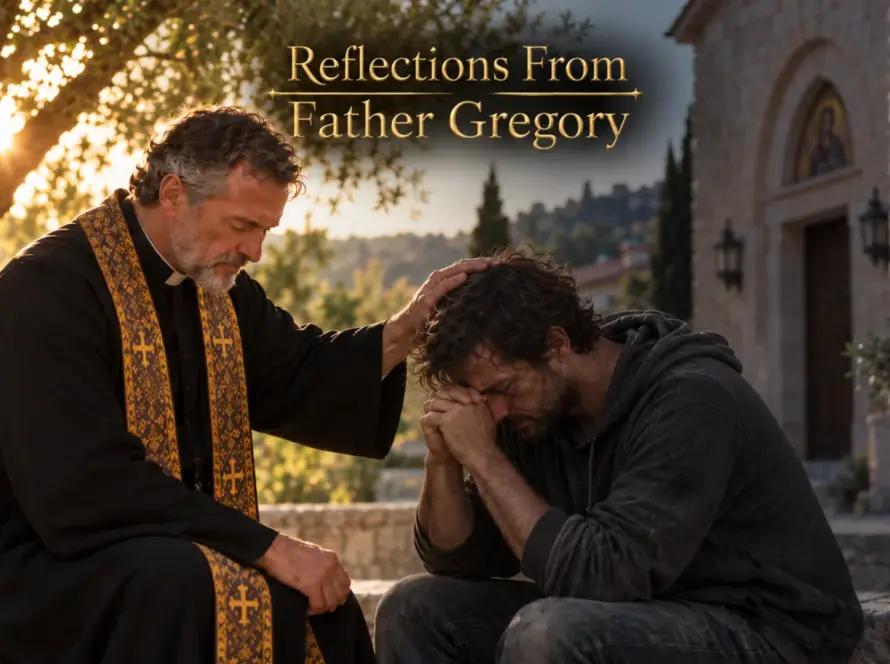
For the majority of us, when someone mentions “Faith Healing,” a host of images come to mind; a charismatic pastor placing their hands on an individual or an exotic New Age healer in a room with incense are a couple of examples. These images, as well as others, suggest that some agent is necessary to instill, incorporate or summon the powers required to be healed. A quick search of the internet reinforces this image as something like this pops up:
“Faith healing is the practice of seeking divine intervention through prayer, rituals, or belief to restore physical, emotional, or spiritual health. Faith healing involves prayer, gestures such as laying on of hands, or visits to religious sites, with the belief that divine power can heal illness or injury. It is most commonly associated with Christianity, where adherents believe that God can intervene to cure diseases, disabilities, or emotional distress through faith and spiritual practices (Wikipedia). Techniques may include intercessory prayer, pilgrimages, or reliance on a healer as a conduit for divine power (Britannica).”
What Do We Really Mean by “Faith Healing”?
The part at the beginning of that definition stands out to me: “The practice of seeking divine intervention…”. Intervention requires an external component. Without this external agent, you don’t have a “prayer” at healing. It suggests that individually, there’s something wrong with us: “You’re not trying hard enough!” It informs the individual, “You lack something to be healed!” All this makes for much confusion. Within Orthodoxy, “Faith Healing” has nothing to do with mystical or dramatic externals; faith healing is within us. It’s about repairing our relationship with Jesus: faith healing is about healing our faith. We absolutely have it within us to heal and be healed.
This is powerfully illustrated in the Gospel according to the Evangelist Mark when the father of boy beset by a dumb spirit seeks Jesus’ help. In that encounter, Jesus asks the boy’s father whether he believed that Jesus could heal his son’s infirmity, the father replied: “Lord, I believe, help my unbelief.” (Mk. 9:24) Healing our faith is not only totally within our capability (“If you can, all things are possible to him that believes” cf. Mk. 9:23), it begins by correcting our relationship with Christ for God created us to be in relationship with Him.
Defined in this way, faith healing is about restoring communion with Christ which is our fundamental purpose for existing. By repairing and pursuing our relationship with Jesus, true and authentic health, that is complete spiritual and bodily health, is attainable. Our souls and bodies are able to rise to the greatest glory of human existence when we experience the fullness of Christ in the here and now of earthly existence. So, for Orthodox Christians, it’s not about health for health’s sake, it’s about pursuing the bliss of the Heavenly Kingdom and the benefits of an authentic relationship with our Lord, God and Savior Jesus Christ which may include physical health but is not predicated upon it.
Healing Begins with Repentance
As we explore the means of restoring our health by healing our faith in Christ, the most vital and fundamental and criterion is repentance. There can be no healing without first recognizing that we are in need of healing. When we first accept that our faith in the Risen Lord is inadequate or minimally in need of repair, only then can the doors to spiritual health be opened. If we are stuck in the slog of ignorance borne of arrogance and hubris, then the doors to repentance remain shut and there is no faith healing. It is only when we come to recognize and even experience the void of a meaningless existence created by our spiritual inadequacies that repentance is a possibility. When we come to recognize our spiritual lowliness and emptiness, then the healing of our faith can begin.
As we flesh out the Orthodox understanding of faith healing, we’ll see the critical connection between repentance and faith healing as we scrutinize Scripture passages whereby Jesus various infirmities. We’ll also hear from the words of the Holy Saints and their commentary about them. We certainly won’t illustrate all the healings of Jesus, as we’ll get into more depth on a few of the healings that are featured in some of the Sunday readings throughout the year. With these examples and understandings, we’ll gain a better understanding of what authentic faith healing is all about.
Therapeuō and Iaomai: Two Dimensions of Healing
To gain a better understanding of authentic Christian healing, which for Orthodox Christians entails a Patristic understanding of the subject matter, we’ll look at Scripture and the Church Fathers and Mothers in the language in which they expressed themselves. And, as not to complicate matters, we’ll limit our observations to the Greek texts of both Scriptural and Patristic writings. For example, the concept of “healing” is primarily expressed in two ways in the Greek text of Scripture: θεραπεύω (therapeuō), which many will associate with the English word “therapy,” this is used mostly by the Evangelists John and Matthew, while the Apostles Luke and Paul favor the use of the word ἰάομαι (iaomai).
The interesting distinction between the two is that therapeuō has a more relational aspect to it with the notions of “service,” or assisting another. In some respects, it’s communal. Whereas iaomai, has the more clinical understanding of healing that comes from a doctor. Both are important, especially as one of the more profound metaphors for the Church, the Body of Christ is that of a hospital: when ailing, the services of a capable and experienced doctor are most welcome. Christ as healer of our souls and bodies is fundamental to our faith as Orthodox Christians.
The Evangelists throughout Scripture utilize both concepts and usages of healing both in the therapeutical sense and in the clinical sense. For the Semitic-based Matthew and John, they rely more on the therapeutical usage of healing while the more Hellenized Luke, Mark and Paul will use both. What is important for us is to understand the context of their usages. Broken humanity needs a hospital for ailments and sicknesses requiring topical treatment, however all of broken humanity needs therapy to repair the severed relationship we experience by distancing ourselves from the source of life and true health and that is our Lord, God and Savior Jesus Christ. In our next installment on Faith Healing, we’ll discuss the different circumstances requiring both forms of healing.
Learn More About Orthodoxy
Whether you’re new to Orthodoxy or simply curious, we invite you to explore the ancient Christian faith and learn more about our mission and community.